
Introduction
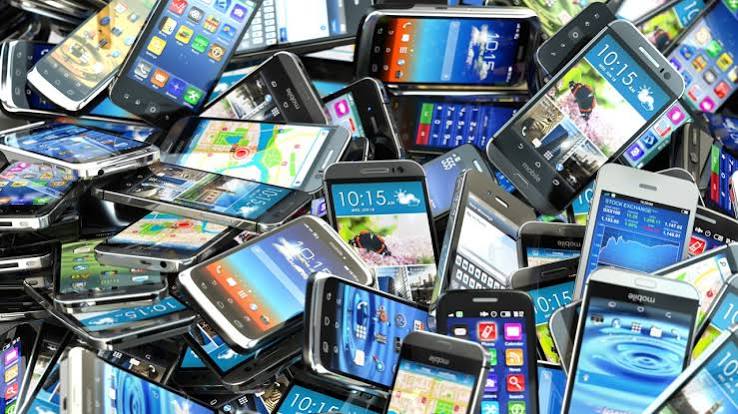
Mobile technology has become one of the most influential forces shaping modern society. Over the past few decades, mobile devices have evolved from simple communication tools into powerful digital platforms that support business, education, entertainment, healthcare, and everyday activities. Smartphones and mobile applications have changed the way people connect, access information, and complete tasks. Today, millions of users depend on mobile technology for work, learning, shopping, financial transactions, and social interactions. Digital platforms such as https://singatoto.co/ also reflect how online services are becoming increasingly accessible through mobile devices, allowing users to engage with digital experiences from almost anywhere.
The rapid development of mobile technology has created new opportunities for individuals and organizations worldwide. With faster internet connections, advanced smartphones, and innovative applications, mobile devices have become essential tools in both personal and professional environments. The growing impact of this technology continues to influence how people communicate, make decisions, and interact with the world around them.
The Evolution of Mobile Technology
Mobile technology has experienced remarkable growth since the introduction of early mobile phones. Initially, mobile devices were mainly used for voice communication, but advancements in hardware and software transformed them into multifunctional tools. The introduction of smartphones brought features such as internet browsing, cameras, GPS navigation, and application support, making mobile devices more valuable and versatile.
Modern smartphones now offer capabilities that were once limited to desktop computers. High-performance processors, artificial intelligence features, cloud connectivity, and advanced security systems have made mobile devices powerful enough to handle complex tasks. This evolution has allowed people to rely on smartphones for activities ranging from professional work to personal entertainment.
The continuous improvement of mobile networks has also played a major role in expanding mobile technology. The transition from 3G to 4G and now 5G networks has improved speed, reliability, and connectivity. These developments have enabled smoother online experiences, faster downloads, and better support for emerging technologies.
Mobile Technology and Communication
One of the most significant impacts of mobile technology is the transformation of communication. Traditional communication methods have been replaced or enhanced by instant messaging, video calls, social media platforms, and mobile email services. People can now connect with friends, family members, and colleagues regardless of their location.
Businesses have also benefited greatly from mobile communication. Employees can collaborate remotely, attend virtual meetings, and manage projects using mobile applications. This flexibility has changed workplace structures and encouraged the growth of remote and hybrid working environments.
Social media applications have further increased the influence of mobile technology by creating global communities. Users can share information, express opinions, and participate in discussions instantly. This has made communication faster and more interactive than ever before.
The Role of Mobile Technology in Business
Mobile technology has become a powerful driver of business growth and innovation. Companies use mobile applications and responsive websites to reach customers, improve services, and increase engagement. Mobile commerce has expanded significantly, allowing consumers to purchase products and services directly from their smartphones.
Businesses can now collect valuable customer insights through mobile platforms. Data analytics tools help organizations understand consumer behavior, personalize experiences, and develop better marketing strategies. Mobile technology has also improved customer support through chat applications, automated responses, and digital service platforms.
Small businesses and entrepreneurs have particularly benefited from mobile solutions. Affordable mobile tools allow them to promote products, manage operations, process payments, and communicate with customers without requiring expensive infrastructure. This accessibility has created new opportunities for business growth around the world.
Mobile Technology in Education
Education has been greatly transformed by the rise of mobile technology. Smartphones and tablets provide students with access to digital learning resources, online courses, educational applications, and virtual classrooms. Learners can now study at their own pace and access information from anywhere.
Mobile learning has become especially valuable in areas where traditional educational resources may be limited. Online educational platforms help students gain knowledge and develop skills without geographical restrictions. Teachers can also use mobile tools to create interactive lessons, share materials, and communicate with students more effectively.
The integration of mobile technology into education encourages independent learning and improves access to information. As digital education continues to expand, mobile devices will remain an important part of modern learning systems.
Mobile Technology and Healthcare Improvements
The healthcare sector has experienced significant changes due to mobile technology. Mobile health applications allow users to monitor fitness levels, track medical information, schedule appointments, and receive health-related guidance. These tools encourage individuals to take greater control of their personal well-being.
Healthcare professionals also use mobile technology to improve patient care. Doctors can access medical records, communicate with patients remotely, and use digital tools for diagnosis and treatment planning. Telemedicine services have become increasingly important, especially for people living in areas with limited access to healthcare facilities.
Wearable devices connected to smartphones have further expanded the role of mobile technology in healthcare. These devices can monitor activity levels, heart rates, and other health indicators, providing valuable information for both users and healthcare providers.
The Influence of Mobile Technology on Entertainment
Entertainment has been completely reshaped by mobile technology. People now use smartphones to watch videos, listen to music, play games, and access digital content anytime and anywhere. Streaming services and mobile applications have changed how audiences consume entertainment.
Mobile gaming has become one of the fastest-growing segments of the entertainment industry. Advanced graphics, online multiplayer features, and powerful mobile processors have turned smartphones into portable gaming platforms. Users can enjoy high-quality gaming experiences without needing dedicated devices.
Social entertainment platforms have also grown through mobile technology. Short videos, live streaming, and interactive content allow users to create and share experiences instantly. This has changed the relationship between content creators and audiences.
Mobile Technology and Financial Services
Financial services have been greatly improved through mobile innovation. Mobile banking applications allow users to transfer money, pay bills, check account balances, and manage finances conveniently. Digital payment systems have reduced the need for physical cash and increased transaction efficiency.
Mobile financial services have also helped expand access to banking in regions where traditional banking systems are limited. People can use mobile platforms to perform essential financial activities without visiting physical branches.
Businesses have adopted mobile payment solutions to provide faster and more convenient transactions. This shift toward digital finance demonstrates how mobile technology continues to influence economic activities worldwide.
Challenges Associated With Mobile Technology
Despite its many benefits, mobile technology also presents several challenges. Privacy and security concerns remain major issues as people store increasing amounts of personal information on mobile devices. Cybersecurity threats, data breaches, and unauthorized access require stronger protection methods.
Another challenge is excessive dependence on mobile devices. Many people spend significant amounts of time using smartphones, which can affect productivity, social interactions, and personal well-being. Maintaining a balanced approach to mobile usage is important.
The digital divide is another concern. While mobile technology has expanded globally, some communities still face limited access due to financial, infrastructure, or connectivity barriers. Addressing these challenges is necessary to ensure that everyone can benefit from technological progress.
The Future of Mobile Technology
The future of mobile technology looks promising as innovation continues to accelerate. Artificial intelligence, augmented reality, improved connectivity, and advanced mobile applications are expected to create even more possibilities. Future smartphones may become more integrated with everyday life, offering smarter solutions for communication, work, and entertainment.
The expansion of 5G and future network technologies will support new developments such as smart cities, connected devices, and advanced digital services. Mobile technology will continue to serve as a foundation for innovation across different industries.
As technology evolves, businesses and individuals will need to adapt to new mobile trends. Understanding and utilizing these developments will be essential for staying competitive in an increasingly digital world.
Conclusion
Mobile technology has transformed modern life by changing the way people communicate, work, learn, access healthcare, manage finances, and enjoy entertainment. Its growing influence continues to create opportunities for innovation and connection across the globe. While challenges such as security risks and digital inequality remain, ongoing advancements are helping create more efficient and accessible solutions.
The impact of mobile technology will continue to expand as new innovations emerge. From improving daily activities to supporting global industries, mobile devices have become an essential part of contemporary society. As people and organizations embrace these advancements, mobile technology will remain a key factor in shaping the future of the digital world.