
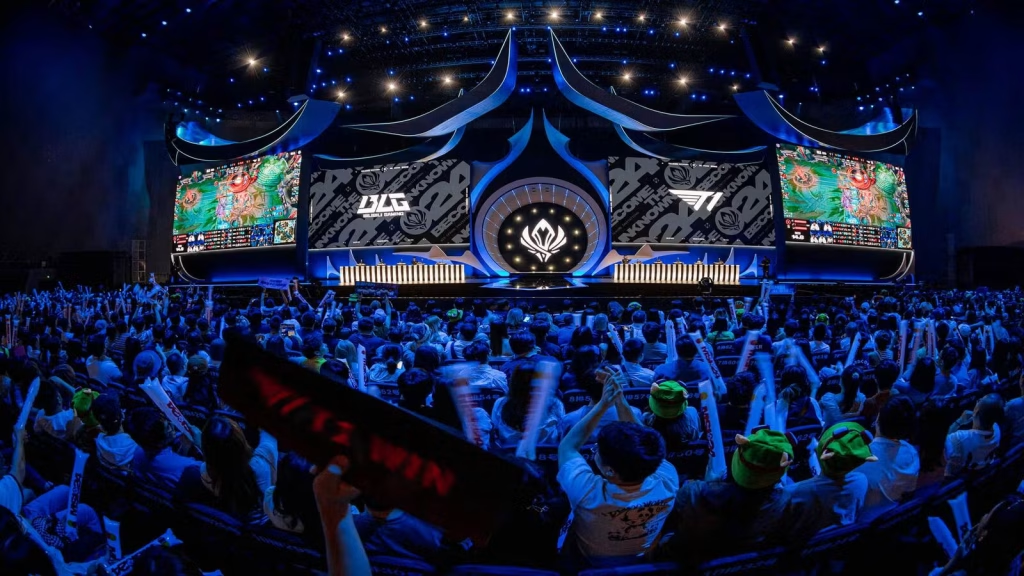
Competitive gaming has become a major part of modern entertainment, and few games have built a global competitive scene as successful as League of Legends. Known for its strategic gameplay, skilled dbbet kirish players and exciting tournaments, LoL esports attracts millions of fans who follow professional teams throughout the year. From regional leagues to international championships, every competition offers something different for players and viewers.
Developed by Riot Games, League of Legends combines teamwork, strategy and individual mechanical skill. Professional matches often feature carefully planned strategies, unexpected team fights and impressive performances that can change the outcome of a game within seconds.
What Makes LoL Esports So Popular?
One of the biggest reasons behind the popularity of LoL esports is the combination of strategy and entertainment. Unlike games that rely mainly on individual performance, League of Legends requires five players to work together toward a common objective.
Each player selects a champion with unique abilities and responsibilities. Teams must coordinate their movements, control important areas of the map and make decisions about when to attack or defend.
The competitive scene also benefits from regular updates. Riot Games introduces balance changes, new champions and gameplay adjustments that can influence professional strategies. As a result, teams must constantly adapt to remain competitive.
Understanding the Competitive Structure of League of Legends
The professional League of Legends scene is organized into regional competitions and international tournaments. Teams first compete within their respective regions, where they fight for championship positions and opportunities to qualify for larger events.
Major regions include South Korea, China, Europe and North America. Each has its own professional league, teams, players and competitive history.
Major Regional Leagues
Several regional competitions play an important role in professional League of Legends.
- LCK: South Korea’s premier league, known for its disciplined gameplay and strong competitive teams.
- LPL: China’s professional league, recognized for its aggressive strategies and talented players.
- LEC: Europe’s leading competition, featuring established organizations and emerging talent.
- LTA: The League of Legends Championship of the Americas, representing the combined North and South American competitive structure introduced for 2025.
These leagues give teams regular opportunities to compete and develop their strategies before international events.
Major International LoL Esports Tournaments
International tournaments are among the most important events in the League of Legends calendar. They bring together successful teams from different regions and allow fans to compare their competitive styles.
League of Legends World Championship
The World Championship, commonly called Worlds, is the most prestigious annual event in professional League of Legends. The tournament features qualified teams competing for the Summoner’s Cup and the title of world champion.
Worlds attracts attention because regional champions and other qualified teams face opponents they may not encounter during their regular seasons. This creates exciting matchups and gives players an opportunity to establish themselves internationally.
Mid-Season Invitational
The Mid-Season Invitational (MSI) is another major international competition. It takes place during the middle portion of the competitive year and brings together teams that have performed well in their regional leagues.
MSI is important because it allows organizations to test their strategies against international opponents before the World Championship. Strong performances can also increase a team’s reputation and build confidence for the remainder of the season.
The Importance of Roles and Team Strategy
League of Legends features five main player positions, and each has a specific responsibility within a professional team.
The top laner generally plays in the upper part of the map and often focuses on controlling the lane or supporting team fights. The jungler moves between different areas, secures neutral objectives and creates opportunities for teammates.
The mid laner usually plays a central role in controlling the map, while the ADC focuses on dealing consistent damage during team fights. The support assists teammates through vision control, protection and strategic engagement.
Successful teams understand how these positions work together. Even a highly skilled individual player cannot consistently win without effective communication and coordination.
Famous Players Who Have Shaped LoL Esports
Professional League of Legends has produced many players who have influenced the competitive scene.
Lee Sang-hyeok, widely known as Faker, is one of the most recognized figures in esports. His achievements with T1 and his consistent performances have made him a defining player in League of Legends history.
Other notable professionals include Chovy, Ruler, Caps and Knight. Each has developed a reputation through individual skill, tournament performances and contributions to their respective teams.
These players also demonstrate how different approaches to the game can lead to success. Some excel through mechanical precision, while others stand out for their decision-making and ability to control important moments.
How Fans Can Follow Professional League of Legends
Following LoL esports is easier when viewers understand the tournament schedule and competitive structure. Official broadcasts provide live matches, analysis, interviews and highlights.
Fans can also follow regional league standings to see which teams are leading their competitions and which organizations are fighting for qualification. Match statistics, player performances and tournament brackets provide additional context.
For new viewers, watching a few professional matches while learning the five player roles is a useful starting point. Understanding objectives such as Dragons, Baron Nashor and turrets makes professional games much easier to follow.
The Future of LoL Esports
League of Legends continues to attract players, organizations and audiences from different parts of the world. Riot Games regularly adjusts the competitive structure to create more engaging tournaments and opportunities for professional teams.
The introduction of international competitions, regional changes and new tournament formats shows the importance of keeping the scene competitive. Meanwhile, emerging players continue to challenge established stars and bring fresh strategies to professional matches.
As esports audiences grow, League of Legends is well positioned to remain an important title in competitive gaming.
Conclusion
LoL esports has developed into a global competitive industry built around teamwork, strategy and individual talent. Regional leagues such as the LCK, LPL and LEC provide a strong foundation, while international competitions like MSI and Worlds bring the best teams together.
Whether someone follows professional teams closely or is just beginning to watch competitive League of Legends, there is plenty to enjoy. The combination of tactical decisions, exciting team fights and world-class players makes the game a lasting part of the esports landscape.