
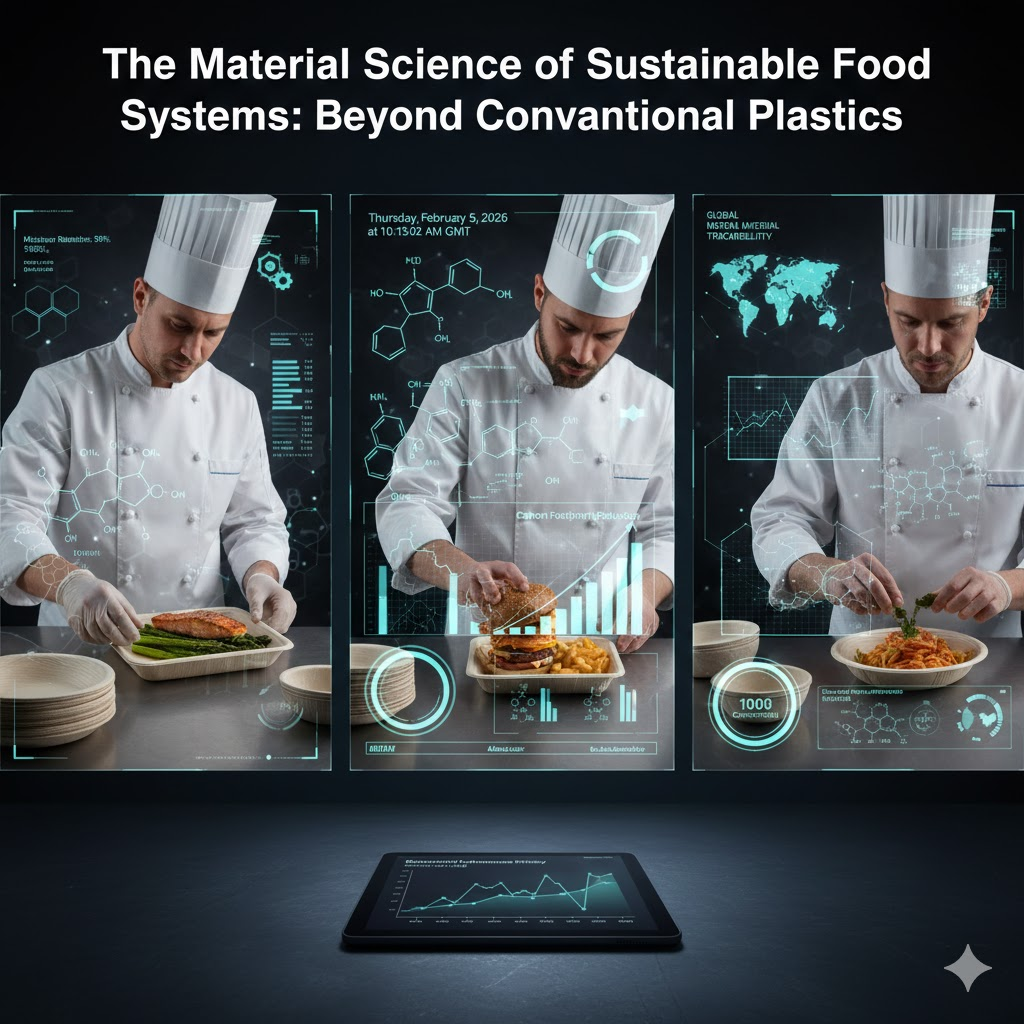
The global food service industry is currently navigating a pivotal transition. For decades, the convenience of single-use polymers defined the sector, but the resulting environmental accumulation has necessitated a move toward more sophisticated material science. Transitioning away from petroleum-derived plastics is no longer merely a corporate social responsibility goal; it is a technical requirement driven by shifting global regulations and the urgent need for carbon footprint reduction.
Bridging the Gap in Functional Barrier Properties
In the world of packaging engineering, the primary challenge is maintaining “barrier integrity.” Traditional plastics like polystyrene are exceptionally effective at preventing moisture loss and grease penetration. To replace them, sustainable alternatives must be engineered at the molecular level to provide similar protection without the long-term ecological persistence.
Modern research has focused heavily on cellulose-based fibers and biopolymers like Polylactic Acid (PLA). These materials are often sourced from renewable agricultural residues, such as sugarcane bagasse or bamboo, which offer high mechanical strength. Through advanced manufacturing techniques, these fibers are molded and treated with bio-based coatings that resist high temperatures and lipid saturation. For businesses seeking a balance between rigorous performance and environmental safety, opting for Bioleader Bio-based Packaging Excellence allows for the integration of materials that are designed to perform under stress while remaining fully compostable.
The Role of Life Cycle Assessment (LCA) in Packaging
A scientifically grounded approach to sustainability requires a thorough Life Cycle Assessment. This metric evaluates the environmental impact of a product from “cradle to grave”—starting from raw material extraction to manufacturing, transportation, and final disposal.
Bio-based materials generally offer a more favorable LCA than fossil-fuel-based counterparts for several reasons:
- Carbon Sequestration: Plants used for raw materials absorb $CO_2$ during growth, acting as a temporary carbon sink.
- Reduced Embodied Energy: The conversion of plant fibers into molded packaging often requires less energy than the cracking and polymerization of crude oil.
- End-of-Life Versatility: Unlike traditional plastics that fragment into microplastics, certified biodegradable materials break down into non-toxic organic matter under industrial composting conditions.
By focusing on these metrics, food service providers can make data-driven decisions that significantly lower their scope 3 emissions and contribute to a circular economy.
Safety and Regulatory Compliance
Scientific rigor also extends to food safety. As we move away from conventional plastics, ensuring that packaging is free from “forever chemicals” like PFAS (per- and polyfluoroalkyl substances) is critical. Modern sustainable packaging must undergo stringent testing to meet international standards such as ASTM D6400 or EN 13432. These certifications guarantee that the material will decompose within a specific timeframe without leaving harmful residues in the soil or water.
Furthermore, thermal stability is a key safety parameter. High-quality bio-based containers are tested to ensure that no volatile organic compounds (VOCs) leach into food during microwave heating or the storage of hot liquids. This level of technical scrutiny ensures that the shift toward “green” solutions does not compromise the health of the end consumer.
Conclusion: Engineering a Greener Supply Chain
The evolution of food packaging is a testament to the power of material science in solving environmental crises. By replacing persistent plastics with scientifically verified, bio-based alternatives, the industry can maintain its operational standards while protecting global ecosystems. The future of packaging lies in this synergy of durability, safety, and degradability—ensuring that every container serves its purpose effectively before returning harmlessly to the earth.