
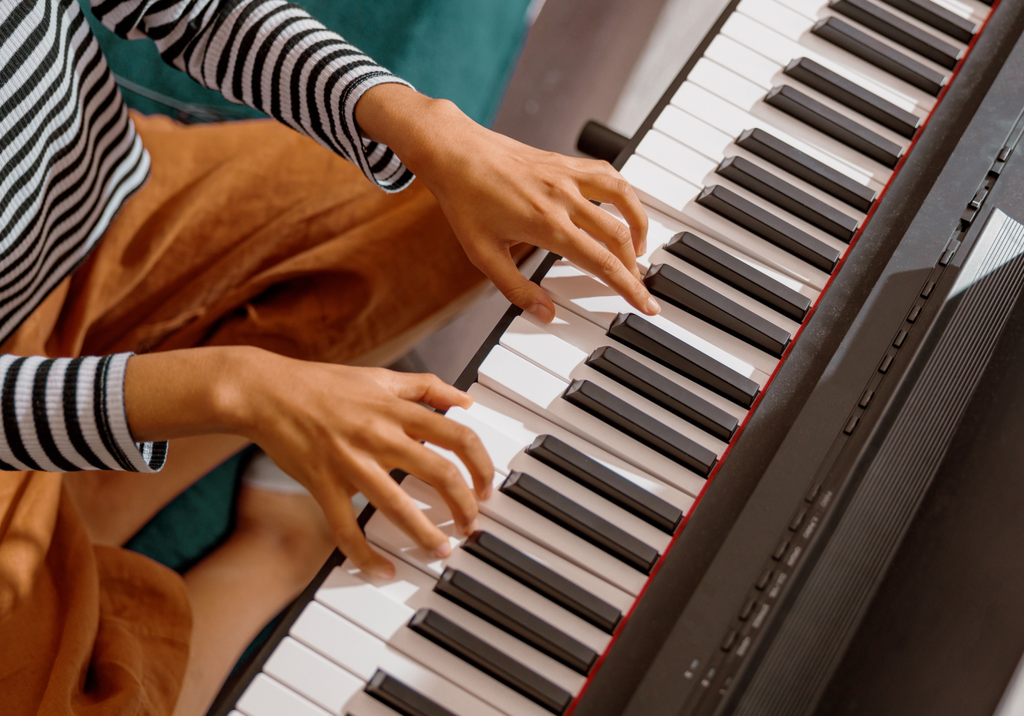
Learning piano has no age limit. Most people put off learning music until later in life. They feel that they are too busy, too old, or too inexperienced to start. However, starting later can be advantageous. Adults know exactly what they want to learn and why they need to learn. You may have played before or never held a piano. No matter what it is, it is possible for adults to take up Adult Piano Lessons.
Why Adults Decide to Learn Piano
A lot of factors that may motivate people to learn how to play the piano. Some people wish to revisit an instrument they once loved as a child. Others always wished to play but never got a chance.
Having personal motivation makes your training more significant. You are not just doing some boring exercises. You are playing what you really want to.
You Do Not Need Previous Experience
The problem many adults have is that they need to know how to read music or theory before starting. That is not the case.
Anxiety about learning things quickly usually affects some adults mentally. Everyone learns at their own pace. Consistent practice and good teaching are a must.
Start With Realistic Expectations
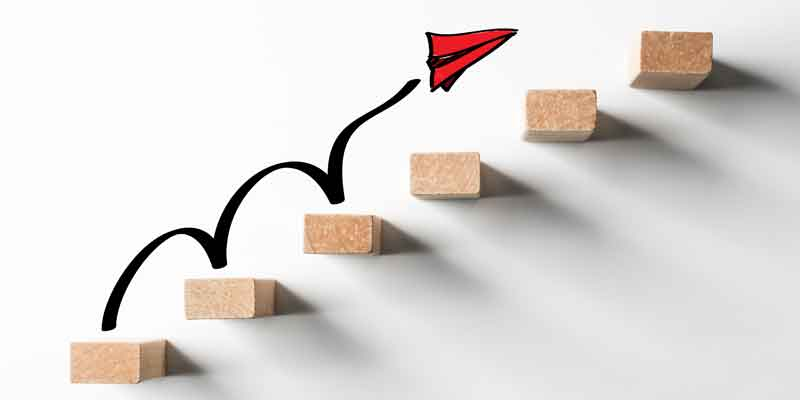
Progress is not always linear. In one week, a piece might appear simple. In another, a new part will feel like something that is unexpectedly challenging.
Being realistic about expectations could save one from getting frustrated. Novices do not have to learn a complex piece right away. Establishing a good foundation often requires time.
Making even little progress is worth celebrating. Playing a rhythm accurately, shifting between chords more easily, without any assistance, would all be progress. You will feel that being able to read a few lines is also an achievement.
Make Practice Fit Your Schedule
One of the biggest obstacles for adult learners is time. There might be several issues like Work obligations and family responsibilities. Other issues may be like social obligations and housework. All of this can take up your entire day.
to plan what you would like to do before starting. You could use some time practicing scales. Also, have some time dedicated to practicing a challenging piece. Sometimes just playing a piece may also prove in your favor.
Be consistent rather than perfect. A basic schedule can make practice easier to schedule even during tough weeks. You will know that you will be sitting down and what you will be doing.
Choose Music You Actually Enjoy
The mature learner has a benefit that is not always available to the young beginner. They have the ability to select music according to their personal preference.
Use your enthusiasm if you prefer a certain type of music, musician, or movie soundtrack. You may also prefer a particular style of composition. All of these aspects will work in your favor as your motivator. Playing music that you truly like makes it easier to endure the rehearsal required.
This does not imply that you skip technical exercises. This is valuable.
Find an Instruction Style That Suits You
Teaching methods may affect your feeling of comfort while attending classes. Some students enjoy following a rigid route with definite assignments. Others do well with flexible lessons created around their preferences.
Pay attention to communication. Adults should not be afraid to ask questions. They should feel free to say that something is not quite clear to them.
Online classes allow gaining some flexibility since people can learn at home. Yet, effective online learning still needs a proper tool, a good internet connection, and free space for practicing.
Your Equipment Does Not Need to Be Complicated
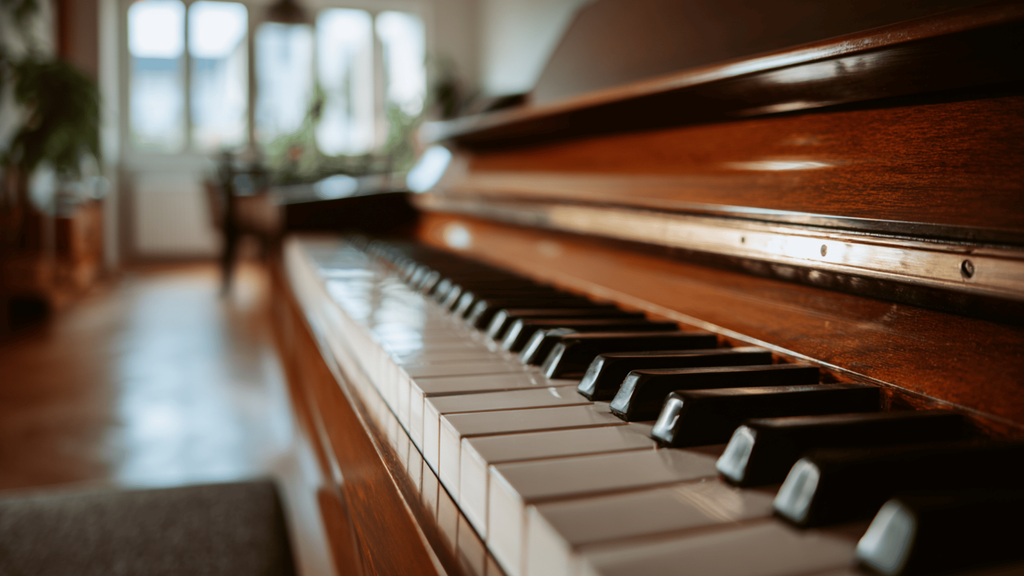
There is no need for a large music room before starting lessons. A piano or keyboard that will suit your needs will do fine even in a small place.
In the beginning, the main things to consider are the comfort of the keys. Also consider the proper range and the right posture. The pedal becomes necessary with time. You might need headphones for practicing in silence.
Do Not Be Afraid of Mistakes
It is impossible to avoid mistakes while playing an instrument. Sometimes adults can feel especially self-conscious because they hope to learn something immediately.
It is better not to see mistakes as mistakes but as additional information. An incorrectly played note will point to incorrect hand position. An irregular rhythm will show where it is necessary to slow down.
Online Learning Can Work for Busy Adults
Home learning eliminates several practical constraints that arise due to the conventional form of education. One does not have to waste time commuting to the studio, which is more convenient.
An online lesson is not always better than a traditional one. Certain people may be interested in a lesson conducted in a traditional setting. Others may find remote study preferable.
Keep Your Long-Term Goals Flexible
Your goals may shift as you gain confidence. Perhaps your initial goal is to play a few songs that you like and then discover an interest in music theory or playing more complex pieces.
This is perfectly natural. Piano playing is not a rush towards a certain destination but a process in which your skills and interests will develop together.
The best way to do this is to enjoy learning and challenge yourself slowly. Provide yourself with enough structure that will enable growth. Also, you should stick to having enough freedom to explore.
Learning Piano Can Become a Lifelong Hobby
Playing the piano for the first time as an adult doesn’t demand having perfect timing. Also, you need not have endless amounts of free time or be a musical genius. Playing the piano demands curiosity and patience. Practicing on a regular basis is a must above everything else.
It may be hard in the beginning weeks. Your fingers might move slowly, and playing from sheet music could be challenging. However, with hard work, all of these difficulties can turn into abilities.
What matters is not trying to try becoming perfect as soon as possible. Form a routine that will keep you involved with the art of music. Combining all elements properly will help you get better at playing the piano. It will eventually become more than just another hobby.