
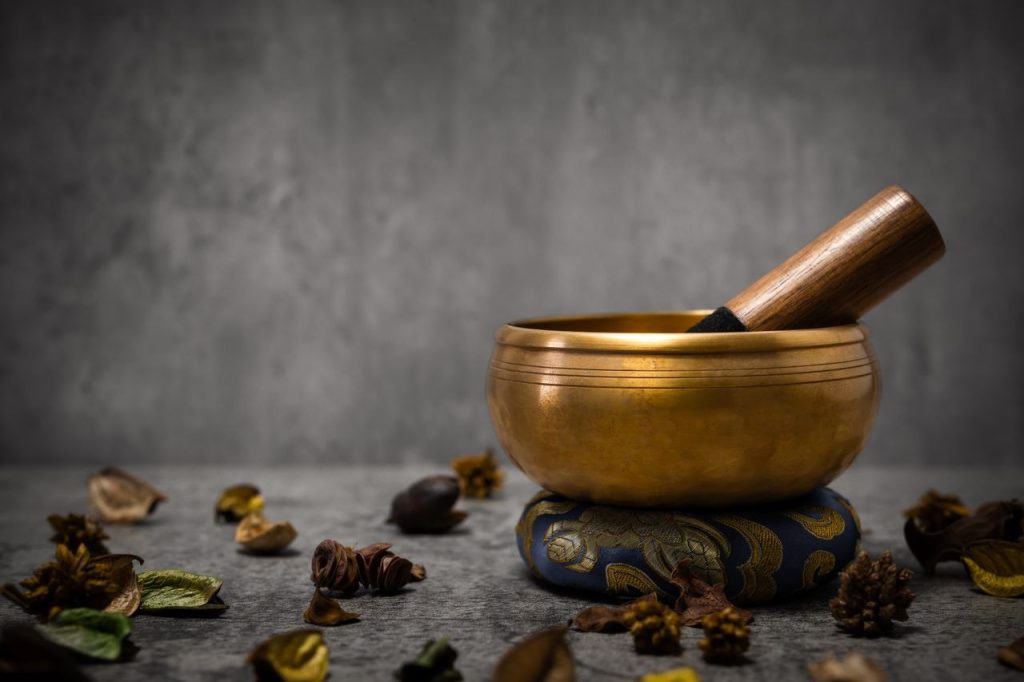
Tibetan singing bowls are ancient instruments renowned for their ethereal sounds. When played correctly, they produce a beautiful, healing resonance that can soothe the mind and body. These bowls, often used in meditation and yoga, create a unique auditory experience that resonates deeply within.
To produce sound, there are two primary techniques: striking and rimming. Each method yields distinct tones and overtones, enriching the auditory experience. The warm vibrations can instantly calm a busy mind, making them ideal for relaxation.
Anyone can learn to play a singing bowl with patience and the right technique. The sound is not just heard; it is felt throughout the body, creating a profound sensory experience. This guide will explore the history, tools, and techniques necessary to master this art.
Join us on this journey of discovery, where each bowl has its own unique voice. Experience the transformative power of these enchanting sounds for yourself.
Understanding Tibetan Singing Bowls and Their Sound
For ages, Tibetan bowls have been revered for their enchanting auditory experiences. These unique instruments date back over 3,000 years, originating in the Himalayas. They were initially used by Buddhists, monks, and healers for spiritual and therapeutic purposes. The exact origins remain a mystery, adding to their allure.
History and Origin of Tibetan Singing Bowls
Early versions of these bowls are thought to be among the first known instruments utilized for their healing properties. While the precise history is unclear, they have been used in Tibet and surrounding regions since around 560 BC. Most Tibetan bowls are crafted from bronze or brass, making them idiophones that produce a deep, resonant tone when played.
What Sounds Do Tibetan Singing Bowls Produce?
Each bowl creates three distinct overtones: the fundamental deep tone, the mid-tone from the rim, and the female overtone that emerges as the bowl warms up. The fundamental tone is a low, rich sound that resonates through the body. The mid-tone adds a layer of complexity, while the female overtone brings a gentle, soothing quality.
Benefits of Singing Bowl Sounds for Mind and Body
The sound produced by these bowls is not just auditory; it is vibrational, affecting the body on a cellular level. Sound therapy using Tibetan bowls can help restore the body’s optimal frequency range of 62-70 MHz, which is crucial for maintaining good health. Bruce Tainio notes that frequencies below 58 MHz can compromise immunity.
Research supports numerous benefits of singing bowl sounds, including:
- Relaxation and stress reduction
- Decreased anxiety and depression
- Relief from tinnitus
- Improved memory and concentration
- Better sleep quality
- Boosted immunity and lower blood pressure
- Enhanced mindfulness
Understanding the history and sound mechanics of these bowls deepens the connection between the player and the instrument. People across cultures have harnessed these sounds for centuries to achieve meditative states, balance chakras, and promote holistic healing. The benefits extend beyond relaxation, offering tangible improvements to both mental and physical health.
Essential Tools: Choosing and Using Mallets
The mallet is the key instrument for unlocking the melodic potential of Tibetan bowls. Selecting the right mallet can make the difference between a dull thud and a beautiful, sustained tone. Understanding the various types of mallets available will enhance your playing experience.
Types of Mallets: Wood, Leather, and Cloth Padded
There are three main types of mallets:
- Bare wood mallets emphasize high overtones, producing a metallic edge that can be striking.
- Leather or suede padded mallets highlight medium and low tones, creating a warmer sound.
- Soft cloth padded mallets deliver the best complex tone for striking, making them ideal for beginners.
Choosing the correct mallet size is crucial. A mallet that is too large or soft will make small bowls sound quiet. Conversely, a mallet that is too small and firm won’t bring out the full tones of a larger bowl.
How to Hold and Use a Singing Bowl Mallet Properly
To hold a singing bowl mallet properly, keep it firmly in your hand while allowing your wrist to loosen. This will enable a slight bounce after impact. Hold the mallet like a pencil with fingers pointed downwards or grip it like a baseball bat, depending on what feels comfortable.
Your grip should be relaxed, with your hand close to the bowl’s rim. The entire arm should move around the bowl rather than just the wrist. A bare-wood mallet can sound harsh when striking hard, so a cloth-padded mallet is recommended for the best overall sound quality.
Most quality singing bowls come with a complimentary properly sized striking and rubbing mallet. However, experimenting with different types can unlock new sounds and enhance your experience.
For larger singing bowls exceeding nine inches in diameter, consider using a heavier beater similar to a bass drum beater. This will help produce optimal sound.
Ultimately, the mallet is an extension of your hand. Finding the right one is a personal journey that deepens the connection between player and bowl.
How Do You Make a Tibetan Singing Bowl Sing?
To unleash the enchanting sounds of a singing bowl, mastering the right techniques is essential. Two primary methods, striking and rimming, will help create the beautiful tones that resonate deeply.
Striking Technique: Getting Started
Begin with the foundational striking technique. Hold the bowl on a flat open palm or your fingertips. Ensure that no fingers touch the sides to avoid muffling the sound. Strike the bowl high on the outer edge using a soft cloth-padded mallet.
It’s important to strike from the side directly at the rim rather than from above. This approach produces the clearest, most resonant tone with maximum vibration. Finding the right striking force is crucial; too hard creates a harsh metallic tone, while too soft results in a weak sound. Aim for a firm, controlled strike to allow the tones to sing clearly and beautifully.
Rimming Technique: Creating Continuous Sound
Transition to the rimming technique, which truly makes a singing bowl come alive. Hold the mallet against the outside rim at an angle. Rub it in a continuous circular motion, applying steady, even pressure.
Constant contact and pressure are critical. If the sound doesn’t build, check for spots in your rotation where pressure may have been inadvertently released. This is often at the far end of the bowl. If you hear a rattling sound, slow down and apply more pressure. This rattling occurs when the mallet vibrates loosely against the metal due to insufficient pressure or excessive speed.
Finding and Playing the Sweet Spot
Finding the sweet spot is essential. This area on the rim is where the bowl sounds clearest and most balanced, with minimal warble. You might want to mark it with ink for consistent playing. Striking different parts of the rim produces varying levels of warble and can change the pitch by as much as a quarter tone, allowing for creative sound exploration.
As you practice, build the sound from a gentle hum to a full, room-filling tone by adjusting your speed and pressure. Slow down to reduce intensity, and speed up to increase it. Remember, making a singing bowl resonate beautifully takes practice, but once mastered, it becomes an effortless and joyful experience, producing continuous, healing vibrations.
Playing Techniques for Different Bowl Sizes
Different sizes of bowls require unique playing techniques to produce their distinct sounds. Understanding these variations is key to unlocking the full potential of each bowl. This section will explore the best practices for small, medium, and large bowls, helping you achieve optimal sound.
Tips for Playing Small Singing Bowls
Small singing bowls, ranging from 3 to 5.5 inches, are portable and produce high-pitched tones. Their lightweight nature makes them perfect for travel and space cleansing. However, they can easily fall, so it’s best to place them on your fingertips for a balanced grip.
When playing small bowls, be gentle. Their thinner metal can create tension, making them less responsive to pressure. Experiment with different mallet types and apply steady, gentle pressure to achieve the best sound.
Techniques Suitable for Medium Singing Bowls
Medium singing bowls, measuring 5.5 to 8 inches, are the most popular choice. They produce tones that closely resemble human voices, making them ideal for sound healing sessions. To play these bowls, hold them on your open palm or fingertips without touching the sides.
Striking the bowl can create a balanced tone, while rimming highlights specific overtones. This versatility makes medium bowls a favorite among practitioners.
How to Play Large Singing Bowls Effectively
Large singing bowls, often 9.5 inches and above, offer deep, grounding sounds that fill large spaces. They can weigh up to 10 pounds, requiring a heavier beater for striking. Always use a cushion or rubberized shelf liner to prevent sliding on hard surfaces.
A donut-shaped cushion can enhance the experience by allowing vibrations to travel through the floor. The pitch of large bowls varies based on size, metal thickness, and whether the edge has a shaped lip. Thinner bowls produce deeper sounds, while lipped bowls have higher tones.
Playing multiple bowls of different sizes together creates a symphony of complex vibrations. This can be particularly effective during group sound baths, offering a rich auditory experience.
| Bowl Size | Diameter (inches) | Playing Tips | Sound Characteristics |
| Small | 3 – 5.5 | Use fingertips, play gently | High pitch, portable |
| Medium | 5.5 – 8 | Hold on palm or fingertips | Tones similar to human voices |
| Large | 9.5 and above | Use cushion, heavier beater | Deep, grounding sounds |
Experimenting with different bowl sizes can reveal which tones and vibrations resonate most with your personal practice and healing goals. Each bowl offers a unique auditory experience, waiting to be explored.
Advanced Techniques for Playing Singing Bowls
Unlocking the full potential of singing bowls involves mastering advanced methods. These techniques can elevate your sound experience and introduce unique auditory dimensions.
Water Charging Method for Unique Sounds
The water charging method is an exciting technique that creates a uniquely softened, ethereal sound. To start, add approximately ¾ cup of water into the bowl. Then, circle the striker around the rim gently.
As the bowl begins to sing, move the striker away and let the sounds continue. Slowly tilt the bowl to allow the water to swirl. This motion produces a mesmerizing sound that enhances your healing session.
Always remember to pat the bowl dry afterward. This is crucial as metals and alloys may react to moisture, preserving the bowl’s quality and sound.
The Wah Wah Technique: Adding Vocal Modulation
The Wah Wah technique is another advanced method that combines the bowl’s resonance with your voice. To perform this, strike the bowl gently and then engage in the rimming technique.
Afterward, stop playing and raise the bowl to your mouth. Open and close your mouth while thinking of saying “wah-wah.” This modulation creates a unique vocal-instrumental harmony.
This technique is perfect for embedding positive affirmations into the sound. The bowl’s circular face reflects your voice, amplifying your intentions.
Playing Multiple Singing Bowls Together
Arranging multiple singing bowls in a semicircle can create a rich, layered sound. Place large and medium bowls on a table above a cushion, while small bowls can be handheld for mobility.
Strike and rim different bowls to create a healing harmony. The sounds of multiple bowls reflect and interact with each other, producing a surround effect ideal for sound baths.
Experimenting with these advanced techniques can lead to unique soundscapes. For instance, you can water charge one bowl while rimming another, creating an extraordinary auditory experience.
Keep in mind that mastering these advanced techniques requires practice. A solid foundation in basic striking and rimming will open up endless creative possibilities for sound healing and personal expression.
Caring for Your Tibetan Singing Bowl
Despite being made of metal, these bowls are surprisingly fragile and require thoughtful care. Proper handling and storage are essential to maintain their sound quality and structural integrity over time.
When handling your singing bowl, always hold it on a flat palm or your fingertips. Avoid touching the sides, as this can dampen the sound. Additionally, it’s wise to remove any rings or jewelry from your fingers. These can create unwanted buzzing sounds if the bowl comes into contact with them.
Proper Handling and Storage Tips
Always place your bowl on its dedicated cushion or a soft surface when not in use. This prevents scratches and keeps it safe. Store your bowls in a secure location, away from edges where they could fall and get damaged.
When playing, be gentle. Never strike the bowl too hard, especially smaller sizes that can easily be knocked from your hand. Always opt for a cloth-padded mallet instead of a bare wood one to minimize the risk of damage.
How to Avoid Damage and Maintain Sound Quality
Even small cracks or scratches can permanently alter the resonance and sound quality of your bowl. Prevention is key to ensuring it continues to produce beautiful sounds. Use a rubberized shelf liner when playing on hard surfaces like tables or floors. This provides grip and protects both the bowl and the surface.
Remember, singing bowls typically don’t break from gentle playing. However, they are vulnerable to drops or impacts from other objects. Always handle larger bowls with two hands for safety.
After water charging sessions, thoroughly dry your bowl to prevent moisture from affecting the metal alloys. Periodic inspections for signs of wear are also advisable. Proper care ensures your bowl will continue to create beautiful, healing sounds for years to come.
Caring for a singing bowl is an act of mindfulness, deepening your relationship with the instrument and honoring its ancient heritage.
Tips and Best Practices for Mastering Your Singing Bowl
Mastering the art of playing singing bowls involves understanding key techniques and avoiding common pitfalls. This section will guide you through typical mistakes beginners make and provide strategies to enhance your practice.
Common Mistakes to Avoid While Playing
Many new players encounter challenges that hinder their progress. Here are some common mistakes:
- Holding the mallet too far from the rim: This makes it difficult to apply enough pressure, resulting in weak sounds.
- Moving too fast: Rapid movements can cause the mallet to rattle instead of producing a smooth sound.
- Inconsistent pressure: Letting up on pressure during rotation prevents the sound from building, often at the far end of the bowl.
- Touching the sides of the bowl: Fingers should only contact the bottom; touching the sides muffles the sound.
- Using the wrong mallet: The size and type of mallet can greatly affect the sound quality.
- Striking too hard: This can create a harsh, metallic tone rather than a gentle resonance.
Practice Strategies for Better Sound Control
To achieve the best sound from your singing bowl, consider these effective practice strategies:
- Start slowly: Apply even pressure throughout the entire rotation to allow the sound to build.
- Listen carefully: Adjust speed and pressure in real-time based on the sound you hear.
- Address rattling: If the bowl rattles, slow down and press more firmly; this indicates loose contact.
- Practice in a quiet space: This allows you to focus on the sound and your breathing, keeping your mind calm.
- Experiment with grips: Try holding the mallet like a pencil, spoon, or baseball bat to find what feels best.
Mastering a singing bowl is a practice of patience and mindfulness. Once the technique clicks, it becomes an effortless, intuitive action that brings joy with every session. Regular practice, even for just a few minutes, will build muscle memory and deepen your connection with your bowl.
| Common Mistakes | Practice Strategies |
| Holding the mallet too far from the rim | Start slowly and apply even pressure |
| Moving too fast | Listen carefully and adjust speed |
| Inconsistent pressure during rotation | Practice in a quiet, focused space |
| Touching the sides of the bowl | Experiment with different grips |
| Using the wrong mallet size | Regular practice for muscle memory |
Using Tibetan Singing Bowls for Meditation and Healing
The resonant sounds of Tibetan singing bowls can profoundly enhance meditation and healing practices. These bowls are often used at the beginning or end of yoga sessions, chakra balancing, and energy healing rituals. Just five to ten minutes of playing can allow the mind to drift into a meditative state.
Beginning a meditation or yoga session with the soothing sounds of singing bowls signals the mind and body to shift from everyday noise into a space of calm and presence. This transition helps practitioners prepare for a deeper experience.
Placing a singing bowl directly on the body during yoga or meditation allows the vibrations to travel through bones and tissues. This creates a gentle internal massage that releases tension and promotes healing.
Sound therapy applications are also noteworthy. The frequencies produced by singing bowls can help rebalance the body’s energy field. Specific tones correspond to the seven chakras, facilitating targeted healing work. For instance, lower tones are associated with the root chakra, while higher tones resonate with the crown chakra, helping to clear blockages and restore energetic flow.
Incorporating singing bowls into yoga practice can enhance the mind-body connection. A partner can play the bowl during warm-ups, asanas, or savasana, deepening the overall experience. Additionally, using an eye pillow during sound baths eliminates visual distractions, allowing the mind to focus entirely on the healing sounds and vibrations.
Group sound baths, where multiple singing bowls are played simultaneously, create an immersive environment. Participants are bathed in overlapping, healing frequencies, enhancing the collective experience.
Regular use of singing bowls for meditation and healing can lead to reduced anxiety, improved sleep, lower blood pressure, and a greater overall sense of well-being. Integrating these bowls into daily wellness routines—whether through personal meditation, yoga classes, or professional sound healing sessions—can yield profound benefits.
Conclusion
The journey into the world of Tibetan bowls reveals their captivating essence and sound. From understanding their ancient origins to mastering techniques like striking and rimming, each step enhances your connection to this art form.
Key to creating beautiful sounds is proper technique: holding the bowl correctly, using the right mallet, and applying steady pressure. Remember, practice is essential; what feels awkward at first will become effortless with time.
Playing these bowls offers dual benefits. You experience relaxation and joy while sharing healing sounds with others. Explore different bowl sizes and mallet types to discover new dimensions in your practice.
These bowls are more than instruments; they are tools for mindfulness and connection. Consider joining a singing bowl course or sound healing community to deepen your skills.
Pick up your bowl today, take a deep breath, and let the warm, pulsating tones fill your space with peace and harmony. The ability to create beautiful sounds is a profound skill that can transform daily life, one resonant tone at a time.