
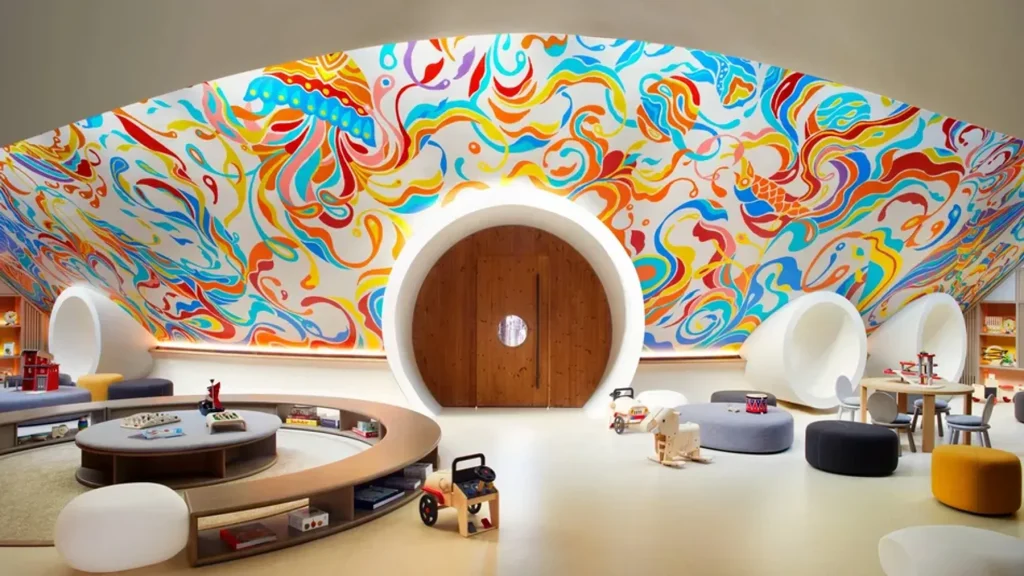
Luxury hotels understand that a beautiful space is not only about expensive furniture, perfect lighting, or high-end materials. What makes a hotel truly memorable is atmosphere. Guests may forget the exact shape of the chair or the brand of the lamp, but they remember how the lobby felt when they walked in, how the room made them relax, and how the visual details created a sense of place. Art plays a major role in that experience.
In luxury hospitality, art is not treated as simple decoration. It is a storytelling tool, a mood-setter, and a design strategy. A large canvas in a lobby can create drama before the guest reaches reception. A calming artwork in a suite can make the room feel more peaceful. A bold piece in a restaurant can make dinner feel more theatrical. The right art turns a hotel from a place to sleep into a place to remember.
This is why luxury hotels invest so much attention into wall art, sculpture, photography, abstract pieces, and local artworks. They know that art creates emotion, and emotion is what guests remember most.
Art Creates the First Impression
The first few seconds inside a hotel matter. When guests enter a lobby, they immediately form an opinion about the brand. Is it elegant? Warm? Modern? Artistic? Exclusive? Relaxed? Dramatic? Art helps answer those questions instantly.
A large statement artwork in the entrance can set the tone for the entire stay. It gives the lobby identity and creates a visual moment that guests notice right away. Without art, even a luxurious lobby can feel cold or generic. With the right piece, the space feels curated and intentional.
This is why hotel designers often place oversized artwork near reception desks, lounge areas, elevators, and main corridors. These are high-visibility areas where art can create maximum impact.
Art Makes a Hotel Feel Unique
One of the biggest challenges in hospitality design is avoiding a generic look. Many hotels use similar materials: marble, brass, wood, velvet, glass, and neutral colors. These elements can look beautiful, but they can also make spaces feel similar. Art is what gives a hotel its unique identity.
A hotel in Paris should not feel exactly like a hotel in Miami, Tokyo, Dubai, or Marrakech. Art can reflect the location, culture, architecture, history, or personality of the destination. It creates a sense of place.
This is where Musa Art Gallery can inspire hospitality-style interiors. The right artwork gives a room personality, emotion, and a stronger visual story. It helps a space feel less like a showroom and more like an experience.
Large Art Creates Luxury Through Scale
Luxury interiors often use scale to create impact. Oversized sofas, tall ceilings, dramatic lighting, wide corridors, and large artworks all make a space feel grand. Large wall art is especially powerful because it fills visual space without adding clutter.
A small artwork on a large hotel wall can feel weak. A large canvas, however, creates presence. It makes the room feel more expensive because it looks deliberate. It shows confidence in the design.
This is why luxury hotels often prefer one large statement piece over many small decorations. A bold artwork can anchor the room, create a focal point, and make the space feel more refined.
Art Helps Control the Mood
Every part of a hotel has a different emotional purpose. A lobby should feel welcoming and impressive. A guest room should feel calm and comfortable. A restaurant should feel atmospheric. A spa should feel peaceful. A bar may feel darker, richer, and more dramatic.
Art helps control these moods.
In a lobby, bold abstract art can create energy and sophistication. In a bedroom, soft landscapes or gentle compositions can encourage rest. In a spa, nature-inspired art can make the space feel balanced. In a rooftop bar, darker or more cinematic pieces can create drama.
Luxury hotels use art carefully because they understand that mood affects guest experience. The artwork is chosen not only for its beauty, but for the feeling it creates.
Art Creates Conversation
Memorable hotels often include visual moments that guests talk about. A dramatic sculpture, a large canvas, a colorful hallway, or a striking artwork above a lounge can become part of the hotel’s identity.
Guests may take photos, mention the artwork in reviews, or remember the hotel because of one strong visual detail. In the age of social media, this matters even more. Hotels are no longer designed only for physical experience. They are also designed to be photographed and shared.
Art gives guests something to notice. It creates moments that feel special. A room with no strong visual identity is easy to forget. A room with powerful art becomes part of the guest’s memory.
Local Art Adds Authenticity
Many luxury hotels use local artists or regional themes to create a deeper connection with the destination. This makes the hotel feel more authentic. Instead of looking like a global chain with the same decor everywhere, the space feels connected to its location.
Local art can reflect landscapes, cultural symbols, architecture, colors, traditions, or history. It does not have to be literal. Even abstract art can communicate a local feeling through color, texture, or material.
This approach is powerful because modern travelers often want more than comfort. They want experience. They want the hotel to feel connected to the place they are visiting. Art helps deliver that connection.
Art Makes Guest Rooms Feel More Personal
Hotel rooms can easily feel standard if they only include a bed, desk, lamp, and curtains. Art gives the room warmth and personality. It makes the space feel more thoughtful.
A large artwork above the bed can act as the room’s focal point. A calming piece near a reading corner can create a peaceful atmosphere. A bold print in a suite can make the room feel more exclusive.
Luxury hotels know that guest rooms need emotional comfort. The art should not feel random. It should support the room’s purpose: rest, privacy, elegance, and escape.
Art Helps Define Different Hotel Zones
Large hotels often include many different areas: lobby, lounge, bar, restaurant, spa, hallways, meeting rooms, suites, terraces, and private event spaces. Art helps define each zone and give it a distinct personality.
A hotel lobby may use dramatic oversized pieces. A restaurant may use warmer, richer art. A spa may use soft nature-inspired artwork. A business lounge may use minimalist or abstract pieces that feel calm and professional.
This helps guests understand the emotional shift from one area to another. The hotel becomes a journey, not just a building.
Art Supports Brand Identity
Luxury hotels are brands, and every visual decision supports that brand. A modern boutique hotel may use bold contemporary art. A classic luxury hotel may use elegant paintings or refined photography. A wellness resort may use calming organic art. A design hotel may use experimental pieces.
Art communicates what the hotel stands for. It can make the brand feel creative, timeless, glamorous, relaxed, exclusive, or culturally rich.
This is why art selection is often part of the branding process, not just interior decoration. The artwork must match the hotel’s personality.
Art Creates Depth in Neutral Interiors
Many luxury hotels use neutral color palettes because they feel timeless and elegant. Beige, cream, grey, black, white, and warm wood tones create a calm foundation. But neutral rooms can feel flat if there is no strong visual contrast.
Art brings depth. A colorful abstract piece can energize a neutral lobby. A black-and-white artwork can add sophistication. A textured canvas can make a simple room feel layered and warm.
This is one of the reasons art is so valuable in hotel design. It allows designers to keep the room elegant while still adding emotion and personality.
Art Makes Spaces Feel Curated
There is a difference between a decorated space and a curated space. Decoration can feel like objects were added at the end. Curation feels intentional. Luxury hotels aim for curation.
When art is selected carefully, placed correctly, and connected to the room’s mood, it makes the entire interior feel more thoughtful. Guests may not analyze every detail, but they feel the difference.
Curated art tells guests that the hotel cares about atmosphere. It suggests quality, taste, and attention to detail.
Placement Matters as Much as the Art
Luxury hotels do not only choose good artwork. They place it strategically. Art must be visible, well-lit, and proportionate to the wall and furniture around it.
A canvas above a sofa should feel connected to the seating area. A hallway piece should be placed where guests naturally walk past it. Lobby art should have enough space to breathe. Restaurant art should support the dining mood without overwhelming the table.
Lighting is also critical. Good lighting can make colors richer, textures clearer, and the artwork more dramatic. Poor lighting can make even expensive art feel flat.
How Homeowners Can Use the Hotel Approach
Homeowners can learn a lot from luxury hotels. The same principles work in living rooms, bedrooms, dining areas, home offices, and entryways.
Instead of buying random wall decor, choose art that defines the room’s mood. Use larger pieces to create a focal point. Think about scale, lighting, placement, and emotional impact. Let the art tell a story.
A home does not need to look like a hotel, but it can borrow the sense of intention that luxury hotels use so well.
To conclude
Luxury hotels use art because it creates emotion, identity, and memory. It transforms blank walls into experiences. It gives guests something to notice, photograph, feel, and remember.
A hotel room without art may be comfortable, but it can feel generic. A hotel with powerful art feels distinct. It becomes more than a place to stay. It becomes a visual experience.
That is why art is one of the most important tools in luxury hospitality design. It creates the first impression, supports the brand, defines the mood, and gives every space a stronger sense of purpose.
In the end, memorable hotels are not only built with beautiful materials. They are built with emotion. Art is one of the strongest ways to create that emotion with maximum impact.