
The internet has become an essential part of everyday life, offering endless opportunities to learn, work, communicate, and entertain ourselves. Whether you are a student, professional, entrepreneur, or casual user, understanding how to navigate modern web resources effectively can make your online experience more productive and secure. Today, websites provide everything from educational content and business solutions to entertainment platforms and digital communities. Exploring trusted platforms like bos88 demonstrates how specialized websites are designed to deliver focused services while maintaining user-friendly experiences. As technology continues to evolve, knowing how web resources function helps users maximize their online potential.
The Evolution of the Modern Web
The internet has changed dramatically over the past few decades. Early websites were simple pages containing static text and images. Today’s web experiences are dynamic, interactive, and personalized. Modern websites integrate advanced technologies that allow users to communicate instantly, stream media, complete transactions, and access cloud-based applications from virtually anywhere.
This evolution has transformed the web into an ecosystem where businesses, educational institutions, healthcare providers, and entertainment services all coexist. As a result, users can accomplish tasks that once required visiting physical locations.
What Are Modern Web Resources?
Modern web resources refer to the various online platforms, services, applications, and tools that help users accomplish specific objectives. These resources include:
- Educational websites
- Business management platforms
- Social networking sites
- Cloud storage services
- Streaming platforms
- E-commerce websites
- Financial tools
- Communication applications
- Digital libraries
- Interactive communities
Each resource is designed with specific goals while offering intuitive interfaces for users of all experience levels.
Why Understanding Web Resources Matters
Understanding how different web resources operate enables users to make informed decisions while navigating the digital world. Rather than randomly browsing countless websites, users who understand resource categories can quickly identify reliable platforms that meet their needs.
This knowledge also helps individuals:
- Save valuable time
- Improve online productivity
- Enhance digital safety
- Access better information
- Avoid fraudulent websites
- Discover useful online tools
Digital literacy has become just as important as traditional literacy in today’s connected society.
Categories of Online Resources
Modern web resources generally fall into several major categories.
Educational Platforms
Online learning has expanded rapidly in recent years. Educational websites provide:
- Video tutorials
- Interactive courses
- Research materials
- Professional certifications
- Virtual classrooms
- Skill development programs
Students can now access world-class educational content regardless of their geographical location.
Business Resources
Companies increasingly rely on cloud-based platforms for everyday operations.
Business resources include:
- Customer relationship management software
- Accounting systems
- Team collaboration tools
- Project management platforms
- Video conferencing services
- Marketing automation solutions
These technologies allow organizations to improve efficiency while supporting remote work environments.
Communication Platforms
Communication remains one of the internet’s most valuable functions.
Popular communication resources support:
- Instant messaging
- Voice calls
- Video meetings
- Team collaboration
- Community discussions
These tools connect individuals and businesses across continents in real time.
The Importance of Reliable Information
One of the greatest strengths of the internet is its vast amount of information. However, not every source is trustworthy.
Users should evaluate online resources by considering:
- Accuracy
- Transparency
- Professional presentation
- Updated content
- User reputation
- Secure connections
Developing critical thinking skills helps users separate credible information from misleading or outdated content.
User Experience in Modern Websites
Excellent web resources prioritize user experience.
Key characteristics include:
Fast Loading Speed
Users expect websites to load within seconds. Fast-loading pages improve engagement while reducing frustration.
Mobile Responsiveness
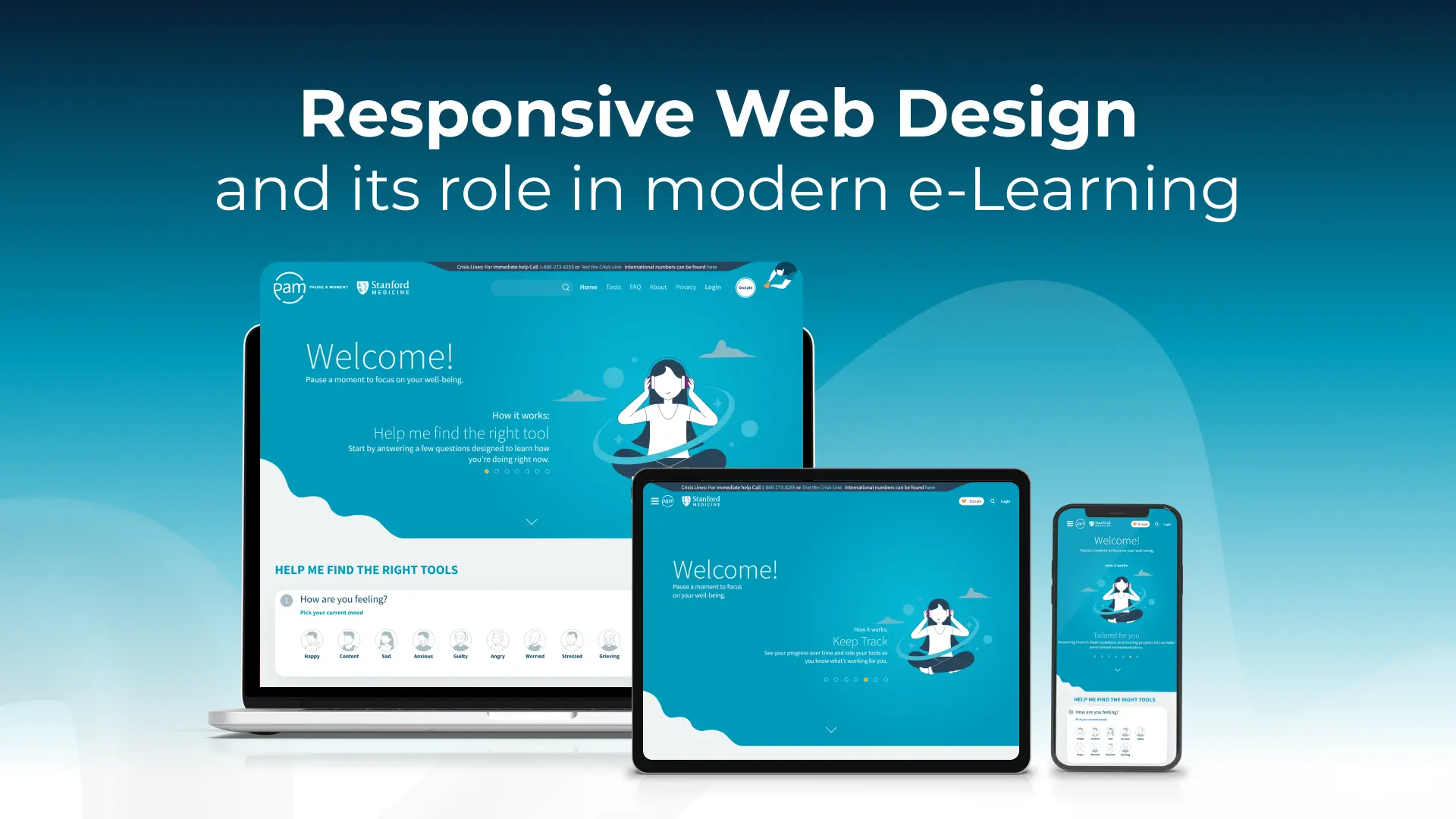
Most internet users browse using smartphones and tablets. Modern websites automatically adjust to different screen sizes, providing consistent experiences across devices.
Easy Navigation
Visitors should quickly locate desired information through:
- Organized menus
- Search functions
- Clear categories
- Logical page layouts
- Accessible navigation tools
Good navigation increases user satisfaction significantly.
Attractive Design
Modern websites balance aesthetics with functionality. Clean layouts, readable typography, and consistent branding create positive first impressions.
Accessibility in Web Design
Modern web development emphasizes accessibility to ensure everyone can use digital resources.
Accessibility features include:
- Keyboard navigation
- Alternative text for images
- Screen reader compatibility
- High color contrast
- Adjustable text sizes
- Clear page structures
Inclusive design benefits users with disabilities while improving overall usability.
Security and Privacy
As internet usage grows, cybersecurity becomes increasingly important.
Reliable websites implement security measures such as:
HTTPS Encryption
Secure websites protect user information during transmission.
Strong Authentication
Multi-factor authentication adds extra protection for user accounts.
Privacy Policies
Transparent privacy practices help users understand how personal information is collected and used.
Regular Updates
Website owners frequently update software to address vulnerabilities and improve performance.
Users should always verify website security before sharing personal information.
Cloud Technology and Web Resources
Cloud computing has revolutionized modern internet services.
Benefits include:
- Remote access
- Automatic backups
- Real-time collaboration
- Scalable storage
- Reduced hardware requirements
- Cross-device synchronization
Cloud-based resources enable users to work efficiently from almost any location.
Search Engines and Information Discovery
Search engines remain among the most valuable web resources.
Effective searching involves:
- Using specific keywords
- Applying search filters
- Comparing multiple sources
- Evaluating publication dates
- Checking author credibility
These practices help users locate accurate information more efficiently.
Artificial Intelligence in Modern Websites
Artificial intelligence now enhances many online experiences.
AI-powered features include:
- Personalized recommendations
- Intelligent search
- Chatbots
- Content suggestions
- Fraud detection
- Voice recognition
These technologies continuously improve website usability while providing personalized experiences.
Digital Collaboration
Modern web resources make teamwork easier than ever.
Collaborative platforms allow users to:
- Edit documents simultaneously
- Share files instantly
- Assign tasks
- Track project progress
- Communicate efficiently
- Schedule meetings
Organizations increasingly rely on these capabilities to maintain productivity across distributed teams.
Online Learning Opportunities
Education has become more flexible thanks to modern web resources.
Learners can:
- Watch recorded lectures
- Join live classes
- Complete assignments online
- Participate in discussion forums
- Earn digital certificates
- Learn at their own pace
This flexibility supports lifelong learning for individuals of all ages.
Entertainment and Media Resources
The web has transformed entertainment consumption.
Modern platforms provide:
- Music streaming
- Video streaming
- Podcasts
- Interactive games
- Digital books
- Live broadcasts
Users enjoy personalized recommendations based on viewing and listening preferences.
E-Commerce and Digital Shopping
Online shopping continues to reshape global commerce.
Modern e-commerce websites offer:
- Product comparisons
- Customer reviews
- Secure payments
- Order tracking
- Personalized recommendations
- Convenient delivery options
Consumers benefit from increased product availability and competitive pricing.
Productivity Tools
Web-based productivity platforms help users manage daily tasks.
Examples include:
- Calendars
- Task managers
- Note-taking applications
- Document editors
- Spreadsheet software
- Presentation tools
Many of these resources synchronize across multiple devices for seamless workflow management.
The Role of Mobile Applications
Many web resources now integrate with dedicated mobile applications.
Benefits include:
- Offline functionality
- Push notifications
- Improved performance
- Device-specific features
- Enhanced convenience
This integration allows users to remain connected while on the move.
Responsible Internet Usage
Understanding web resources also involves responsible behavior.
Best practices include:
- Protecting passwords
- Respecting copyright
- Verifying information before sharing
- Avoiding suspicious links
- Maintaining privacy settings
- Updating software regularly
Responsible digital citizenship contributes to a safer online environment for everyone.
Future Trends in Web Resources
Technology continues advancing rapidly.
Emerging developments include:
Greater AI Integration
Artificial intelligence will become even more deeply integrated into online services.
Virtual and Augmented Reality
Immersive technologies will create new ways to learn, shop, and collaborate.
Improved Personalization
Future platforms will better understand user preferences while respecting privacy.
Enhanced Security
Advanced authentication and encryption methods will strengthen online protection.
Faster Internet Infrastructure
Continued improvements in connectivity will support increasingly sophisticated web experiences.
Choosing the Right Web Resources
Selecting appropriate online resources depends on individual needs.
Users should consider:
- Reliability
- Ease of use
- Security
- Reputation
- Performance
- Customer support
- Regular updates
Taking time to evaluate these factors leads to better long-term experiences.
Developing Strong Digital Skills
Digital literacy extends beyond basic internet browsing.
Essential skills include:
- Information evaluation
- Cybersecurity awareness
- Online communication
- Digital collaboration
- Content creation
- Data organization
- Problem-solving
Continuous learning helps users adapt to changing technologies.
Conclusion
Modern web resources have transformed how people learn, communicate, conduct business, and access information. Understanding these resources enables users to navigate the internet confidently while making informed decisions about the platforms they use. As technology continues evolving, digital literacy becomes increasingly valuable for individuals and organizations alike. By focusing on security, accessibility, usability, and reliable information, users can fully benefit from today’s dynamic online ecosystem while preparing for the innovations of tomorrow.