
HI88 Offside Odds – Understanding Offside Betting Markets is an essential concept for anyone interested in soccer betting. These markets not only add depth and excitement to your betting experience but also require a keen understanding of the game’s rules, player positioning, and betting strategies. Whether you are a seasoned bettor or a newcomer eager to learn, grasping the nuances of offside betting can lead to more informed wagers and potentially higher payouts. In this article, we’ll explore how to effectively use offside odds, learn through examples, compare different betting options, and offer valuable tips to enhance your betting journey.
The Fundamentals of Offside Odds – Understanding Offside Betting Markets in Soccer
In traditional soccer betting, most enthusiasts focus on match outcomes, goal totals, or individual player performances. However, offside betting markets are more specialized, focusing on specific moments during the game, such as whether a particular player will be caught offside at a certain point or within a particular timeframe. These markets offer a nuanced approach to betting, requiring understanding of both the game’s flow and nuanced rules like the offside law.
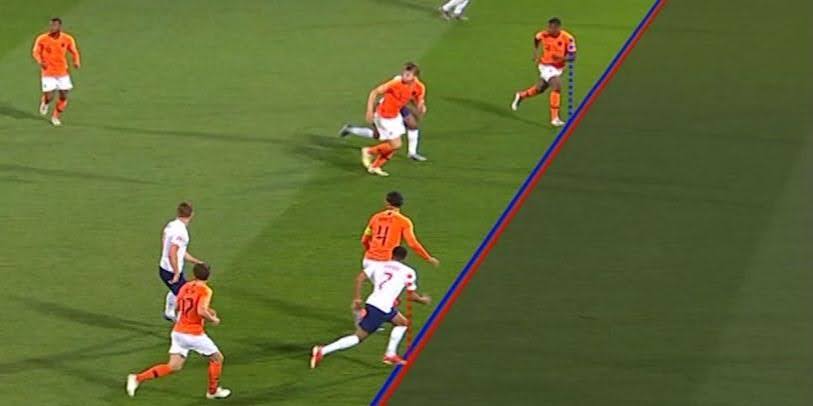
Before diving into betting specifics, it’s crucial to understand what offside is and how it influences gameplay. The offside rule essentially states that a player is in an offside position if they are nearer to the opponent’s goal line than both the ball and the second-last defender at the moment the ball is played to them, unless they are in their own half or level with the second-last defender. This rule is vital in controlling attacking strategies and defensive positioning. Betting markets based on offside chances are built around predicting whether these offside calls will occur in specific scenarios.
Understanding Offside Odds – Understanding Offside Betting Markets involves grasping how bookmakers price these events. Betting odds reflect the perceived probability of an incident, like a player being caught offside, occurring during a game segment. These odds fluctuate depending on team tactics, player speed, referee strictness, and past match behavior. Learning to interpret these odds can help you find value bets—where the odds offered are higher than the actual likelihood of the event. Using this knowledge transforms offside betting from a gamble into a strategic component of your overall soccer betting portfolio.
How to Use Offside Odds – Understanding Offside Betting Markets
Successfully using offside odds requires more than just understanding the rules; it involves analyzing current team form, attacking patterns, and game context. For example, if a team relies heavily on quick counter-attacks, they might be more prone to offside calls, especially if they deploy highly aggressive forward runs. Recognizing these patterns can help you identify advantageous betting opportunities.
When placing bets on offside markets, consider the timing within a match. Often, the first half tends to be more cautious, with fewer offside calls, while the second half might see more frequent offside incidents due to increased attacking pressure. Bookmakers adjust their odds accordingly. Therefore, understanding how to interpret and leverage offside odds can lead to smarter, more targeted bets, particularly if you combine this with real-time match analysis and live updates.
Another practical tip is to focus on specific players known for their offside tendencies. Fast, aggressive forwards often generate more offside opportunities, and betting markets around these players can provide lucrative prospects. Comparing odds across different betting platforms and tracking how they change during the match can also reveal value opportunities and help you decide when to place a bet.
Examples to Clarify Offside Odds and Markets
Imagine a match where a high-profile striker is known for marginal offside calls. A bookmaker might offer odds of 1.8 for the player being caught offside in the first 30 minutes. Based on the team’s attacking style and previous matches, you might assess that the probability of the player being offside is higher, so betting on “Yes” could provide value compared to the implied probability of the odds.
Conversely, consider a situation where a team prefers low-risk build-up play, making offside less likely. If the bookmaker’s odds suggest a high likelihood of no offside in that phase of play, betting accordingly might be profitable. These examples highlight how comparing Offside Odds – Understanding Offside Betting Markets with your knowledge of game tactics can improve your decision-making process. Developing a strategic approach by analyzing historical data, player tendencies, and team styles helps you make more informed bets and manage your betting bankroll more effectively.
Comparing Various Offside Betting Markets and Choosing the Best Strategies
Offside betting markets come in diverse forms, each offering different strategic opportunities. Understanding these variations allows you to choose the most suitable options for your betting style and objectives. Some common markets include betting on whether a player will be caught offside in a specific timeframe, or whether offside incidents will occur more than a certain number of times in a match.
Different bookmakers may also offer unique markets that can give you an edge, such as betting on the total number of offside calls during a game or placing live bets based on ongoing match conditions. Each market has its advantages and drawbacks, and familiarizing yourself with how these options work is crucial for long-term success.
When contrasting these markets, think about the reliability of the data and the predictability of certain players or teams. For instance, betting on individual player offside occurrences in an early game phase might be more predictable for a seasoned bettor. On the other hand, betting on total offside calls across the match can offer broader coverage and risk mitigation. Combining insights from various markets and understanding their comparative accuracy helps refine your overall betting strategy.
Using Comparative Analysis for Better Betting Outcomes
Comparative analysis involves studying historical data, such as how often certain teams or players get caught offside in their recent matches versus their overall stats. This understanding can inform your choices when selecting betting markets, especially in live scenarios where real-time data is available. If a team has been frequently offside in recent games, betting on “more than a certain number of offside calls” can be more promising.
Personalized strategies could involve first focusing on markets that align with your knowledge base—say you understand a team’s tactics well, and you notice their offside frequency is unusually high or low. Using this insight, you can choose betting markets that focus on total offside calls or specific player offside scenarios. Over time, tracking the accuracy of these bets helps you refine your approach and identify profitable betting patterns.
Additionally, understanding differences between pre-match odds and live in-play odds can give you an advantage. The fluctuations often signal changing match dynamics. If an offside market expands or contracts during gameplay, it might suggest tactical shifts, injuries, or referee tendencies that you can exploit to increase your winning chances. Strategic comparison of different markets and timing is key to enhancing your betting success.
Expert Tips for Mastering Offside Odds – Understanding Offside Betting Markets
Mastering Offside Odds – Understanding Offside Betting Markets requires a strategic blend of game knowledge, tactical analysis, and disciplined bankroll management. As you become more familiar with offside betting, certain tips can help you maximize profit and minimize risk, reinforcing your overall betting skills.
A crucial tip is to stay informed about referees’ tendencies. Different officials have varying strictness regarding offside calls, which can influence betting odds. Some referees tend to call offside more frequently in high-stakes games or during certain match phases. Watching referee patterns in previous games or reviewing match reports can alert you to these tendencies, giving you an edge when betting on offside-related markets.
Another key piece of advice is to combine offside betting with other bet types, such as total goals or player performance markets. For instance, if you anticipate a cautious opening half due to weather conditions or team strategies, this might lower the chances of offside calls and influence your betting decision. Balancing the risk across multiple markets helps to create a comprehensive betting strategy that leverages various match insights.
Lastly, continuously learning from your bets—both wins and losses—is vital. Keep track of which strategies work best in different contexts, refining your approach as you gather more data. Use analytic tools and statistical models to assess the likelihood of offside calls in specific circumstances, thus turning Offside Odds – Understanding Offside Betting Markets into a sophisticated, profitable avenue in your betting arsenal.
Conclusion
Understanding Kèo Việt Vị Offside Odds – Understanding Offside Betting Markets opens new doors for soccer bettors, blending game rules, tactical insights, and strategic analysis. By harnessing the power of odds interpretation, pattern recognition, and comparative study of different markets, you can elevate your betting game to a more professional level. Success hinges on detailed match analysis, awareness of referee tendencies, and disciplined bankroll management, ensuring you gain an advantage in this nuanced and exciting aspect of soccer wagering. Mastering offside betting markets ultimately helps you become a more informed, confident, and potentially profitable bettor in the dynamic world of soccer betting markets.